

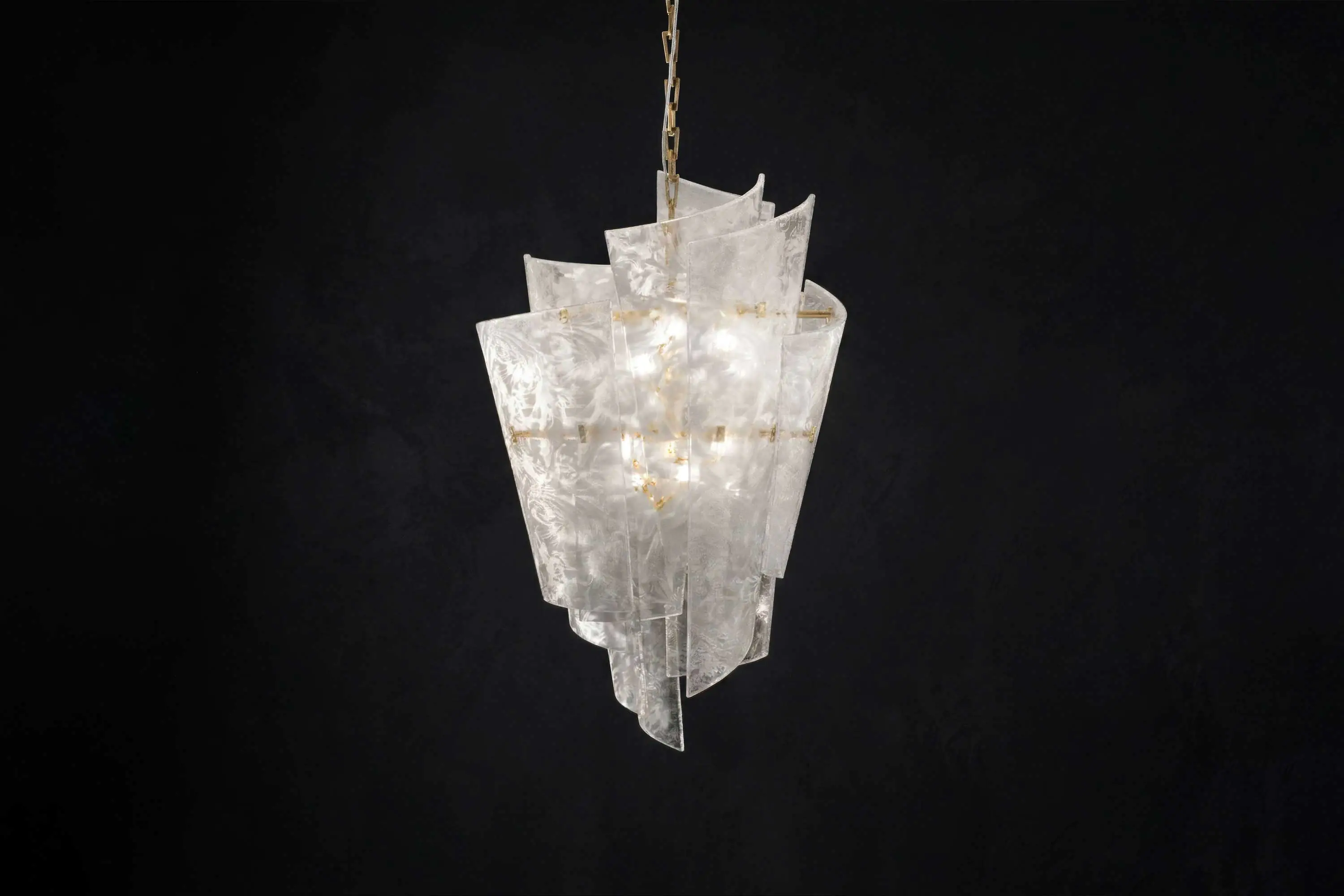
A Dialogue of Opposites: How Palena Studio Defines Quiet Luxury in 2026
“Quiet luxury” has dominated design coverage for two years now, and by this point the phrase risks meaning nothing — shorthand for beige, for absence, for a living room with the personality edited out. That’s not what’s actually happening in the best homes being built this year. The real shift is toward restraint that still has weight to it: sculptural furniture treated like art, materials chosen because they’ll age rather than because they shine, rooms that feel collected rather than decorated.
At Palena Studio, that isn’t a trend we’re reacting to. It’s the idea the studio was built on.
What Quiet Luxury Actually Means in 2026
The design press has spent much of this year tracking a move away from the stark, cool minimalism of the past decade — the all-white rooms that photographed well but never felt lived in. What’s replacing it is warmer and more tactile: earthy palettes, natural materials left visibly imperfect, and furniture that reads as a singular, sculptural object rather than one of five matching pieces. The emphasis has shifted from how much a room announces itself to how well it holds up to ten years of actual living.
That’s a useful distinction, because it separates quiet luxury from plain minimalism. A quiet room isn’t an empty one. It’s a room that has made confident, expensive decisions and then stopped talking about them.
Palena’s Own Dialogue of Opposites
Our founder Ben has described Palena’s guiding idea as a dialogue of opposites — restraint and expression, tradition and innovation, held in the same piece rather than resolved in favor of one. It shows up most clearly in something practical: many Palena designs exist in two finishes, and the two finishes are almost arguments with each other.
Alabaster, Patina, and the Case for Softness
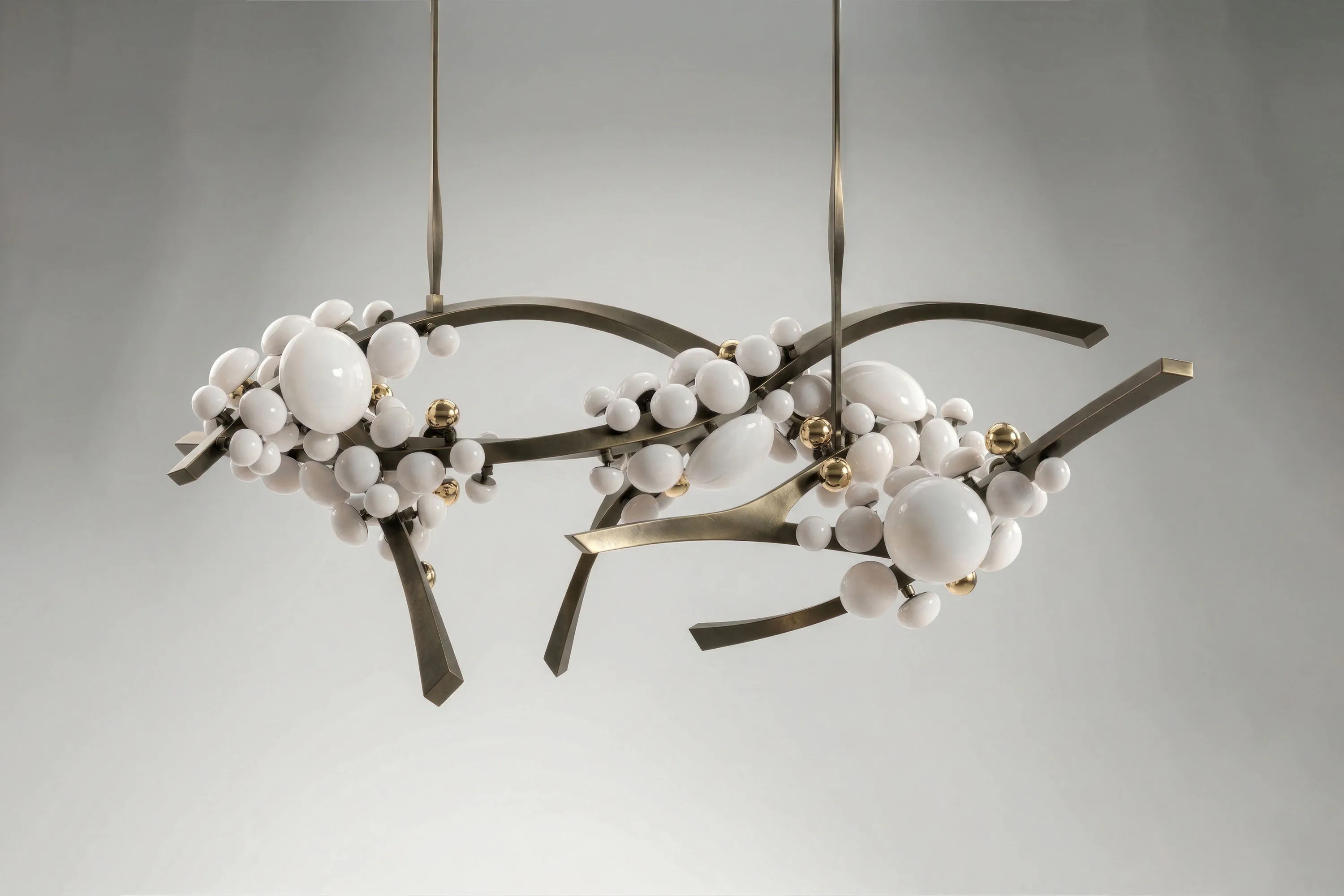
Take Duo Facies, Pure Alabaster. The stone diffuses light rather than throwing it, so the fixture reads as a soft, glowing form rather than a source of light you notice directly. Pair that instinct with our patina bronze finish — as seen on Intima Horizontal, Patina Bronze — treated to already look like it has history. Both let the material carry the luxury, quietly, instead of asking for attention.

Black Matte, Polished Bronze, and the Case for Statement
Venomous Horizontal, Black Matte is unapologetically sculptural — a high-contrast, matte-black frame that behaves like a piece of art hung mid-room. Barracuda, Polished Bronze does the opposite job: instead of absorbing light, it catches and throws it, so the fixture becomes the brightest thing in the room.
Neither finish is the “real” Palena. The point is that both exist, on purpose, from the same design — which is what a dialogue actually is.
Four Ways to Bring Quiet Luxury Into a Room
- Choose one sculptural moment, not five loud ones.A single chandelier or lounge chair with real presence does more than a room full of pieces competing for attention.
- Let material do the work light usually does.Alabaster, hand-blown Murano glass, and patina bronze all read as luxurious in daylight, not just under a spotlight.
- Light softly, on purpose.Diffused glass and layered sources (ambient, task, accent) feel considered in a way a single bright overhead fixture never will.
- Buy for permanence, not for the season.Pieces meant to be inherited are, by definition, designed to still look right in fifteen years.
FAQ
What is quiet luxury design?
An approach that favors understated, high-quality materials and considered proportions over visible branding or ornamentation — luxury communicated through craftsmanship rather than volume.
Is quiet luxury the same as minimalism?
Not quite. Minimalism is defined by how little is in a room. Quiet luxury is defined by the quality of what’s there.
How do I add quiet luxury without my home feeling empty?
Anchor the room around one or two pieces with real sculptural presence, then build texture through material rather than additional objects.